

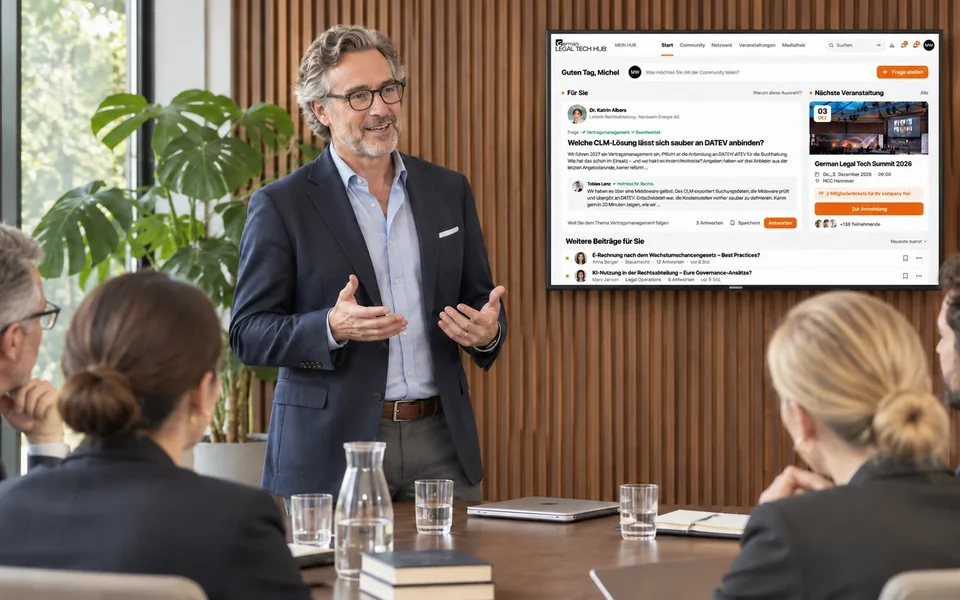
German Legal Tech Hub GmbH. Website with member area and community.
A new website for the German Legal Tech Hub, maintained in the Hub OS. Members book events, download their certificates and talk to each other in a community of their own.
Case studies
Software, websites and AI for mid-sized companies and law firms. Explore selected projects and the solutions behind them.
A new website for the German Legal Tech Hub, maintained in the Hub OS. Members book events, download their certificates and talk to each other in a community of their own.

A new website for Wieland Gebäudereinigung GmbH, maintained directly in its business software Wieland OS. Enquiries and applications go straight into processing, and visitor statistics work without cookies.

Wieland OS: jobs, staff app in three languages, contracts, materials, bookkeeping and website on its own server.

Programme, speakers and exhibitors are approved in one place and go live within seconds, in German and English.

CRM, sales, events, marketing and organisation on a platform of its own. Rented single-purpose tools are being phased out.

Logo, firm templates, a website organised by life situation and a dedicated back office for enquiries.
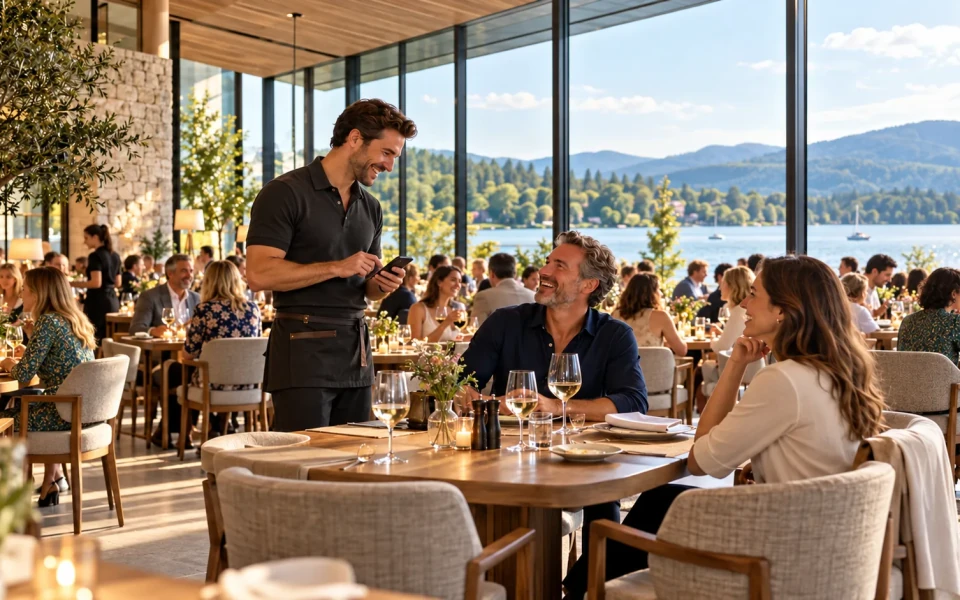
AI phone assistant, reservations around the clock and self-service in the outdoor area of a restaurant.
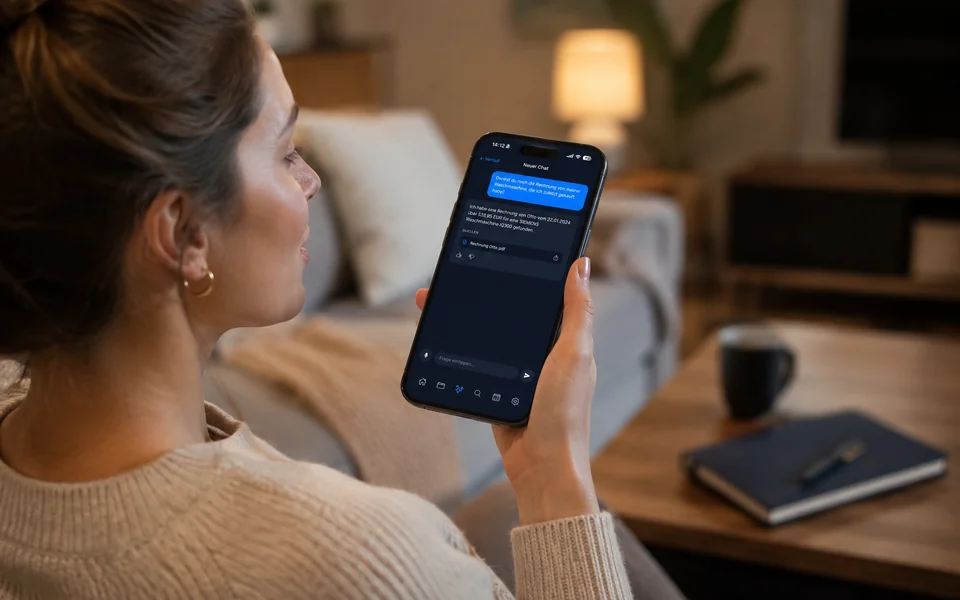
Our own platform: AI sorts documents, deadlines arrive as a calendar subscription, answers come with sources.
Seven practice areas explained clearly, more than 100 answers and an appointment request in two minutes.

A new website for a law firm with a notary office in Burgdorf near Hanover, faster and with reworked indexing.

Personal travel advice at the centre, a dedicated travel blog, as good on a smartphone as at a desk.
There is no project for this selection yet.
Figures are given in the case studies, each with its origin.
Current projects
Projects we are currently building or agreeing with our clients. What you see here is not yet a case study: we show results once they are proven.
For Dr. Benedikt Martin Epe Quarch, a lawyer by training and an entrepreneur, we are developing a new brand presence, and work is about to begin. He advises law firms and legal departments on AI and legal tech, runs workshops and seminars and speaks at conferences and universities. We start with positioning: together we sharpen what he stands for, who his services are for and which goals the new presence should achieve. The new business website builds on this, and we plan, design and develop it as usual. It is meant to explain his services clearly and lead interested visitors to an enquiry, so that new clients come on board. Appointment management is part of it: anyone who wants to request a call, a workshop or a talk picks a free slot directly on the website, and the confirmation arrives by email.
We are currently in talks with a private care provider: several companies, six care homes, an outpatient care service and around 200 employees. The plan is software of its own that gradually replaces several separate programs and brings administration together in one place. Accounting and the fleet are to come first. Receipts arrive by email, upload or as e-invoices, the AI reads them and proposes the posting, and accounting reviews and approves. DATEV stays connected, and the tax adviser keeps working as before. For the fleet, vehicles, leasing contracts and all deadlines such as roadworthiness tests, servicing and safety briefings are kept in one place. A first step is planned in which we test the interfaces and compare against standard solutions before a decision on the build is made.
We have been awarded an AI project for a law firm with a notary office in Frankfurt, and work is now under way. Together with the firm, we are developing an AI that relieves the team of two tasks that come up many times a day: drafting the most common types of contract and the correspondence that follows the conclusion of a contract. It is based on the firm's own document holdings. The firm's practice software remains the leading system, and the AI accesses it on a read only basis. Everything runs in a dedicated, sealed environment on Amazon Web Services in the Frankfurt data centre, with the AI running on Amazon Bedrock. Documents, database and backups are stored exclusively in Frankfurt. Access is only possible through a secured connection from the firm, with a second step at sign in. We start on site with the team, and the rest of the work is carried out remotely.
For Café & Bar Charleston we are building software of its own that lets the team run the business from one place. This includes the new website, which we design and develop as usual, and it is maintained in the same software. Event enquiries arrive there and are planned through to the date. Invoicing and bookkeeping run there too: receipts and payments are brought together, the software prepares much of the work itself, and the café only reviews and approves.
For Wieland Gebäudereinigung GmbH we are building software of its own that connects the office with the cleaning staff. It replaces the previous app and has been running since the end of October. The new website wieland-service.de is live, the office maintains it in the same software, and enquiries and applications arrive there directly. Service specifications, quotes and invoices are created on the letterhead and go out by email, by post or for signature on screen. Employment contracts can be translated into English and Bosnian, and the staff app is available in three languages. Plus material requests from the job, working hours through to the invoice, WhatsApp and the Outlook calendar.
In the initial call we clarify in 30 minutes where the biggest lever is and what a first, manageable step looks like.
Michel WinklerFounder and your contact at ibx companyManager for AI Transformation and Tool Integration (IHK)